
Case studies are one of the most underused growth tools in digital marketing.
When done well, they do more than showcase past work. They build trust, reduce perceived risk, support sales conversations, strengthen SEO, and help prospects see themselves in the success story.
When done poorly, they become vague project summaries that say very little about impact.
In this article, we break down how to write a good case study step by step, what separates high-converting case studies from average ones, and how to structure them so they support both conversions and search visibility. We then highlight a selection of our latest CRO, SEO, UX, experimentation, branding, analytics, and email case studies to show what this looks like in practice.
Why Case Studies Matter for CRO, SEO, and Trust
Most prospects arriving on your website are not ready to book a call immediately. They are evaluating risk.
They ask questions like:
- Can this team solve problems like mine?
- Have they worked with businesses at my scale?
- Do they understand my industry?
- Will their approach work for us?
A strong case study answers those questions without overselling.
From a CRO perspective, case studies reduce friction in the decision-making process. From an SEO perspective, they create indexable, intent-driven content that supports long-tail searches such as “CRO case study,” “SEO case study for local business,” or “UX redesign results.”
From a trust perspective, they show evidence, not promises.
What Makes a Good Case Study
A good case study is not a polished project summary. It is a structured proof point that shows how a real business problem was solved and why the solution worked.
High-performing case studies consistently include the following elements.
1. Clear Context and a Real Business Challenge
Every strong case study starts with context.
Before talking about solutions, set the scene:
- Who the client is
- What market they operate in
- What problem they were trying to solve
- Why that problem mattered to the business
This helps readers quickly assess relevance. If they recognize the challenge, they are far more likely to keep reading.
Avoid vague language. Specific challenges build trust and make the story feel real.
2. Evidence of the Problem Through Data and Observation
Do not rely on assumptions alone. Show how the problem was identified.
This is where early data points strengthen credibility, such as:
- Analytics insights
- User behavior patterns
- Drop-off points
- Qualitative feedback from users or stakeholders
Grounding the challenge in evidence shows that decisions were based on insight, not opinion. It also signals a structured, research-led approach.
3. Strategic Thinking Behind the Approach
A good case study explains not just what was done, but why it was done.
Outline:
- The key insights that shaped the strategy
- The options that were considered
- The trade-offs that influenced decision-making
This is where you demonstrate expertise. Readers want to understand your thinking, especially if they are comparing multiple agencies.
Clear strategic rationale builds confidence and positions you as a partner rather than an execution-only provider.
4. Execution That Is Easy to See and Understand
Execution should always tie directly back to the original challenge and strategy.
This is where before-and-after visuals become critical.
Show:
- What the experience looked like before
- What changed
- How those changes reduced friction or improved clarity
Before-and-after comparisons make progress immediately obvious, especially for UX, UI, CRO, and branding work. They help readers visualize how similar improvements could apply to their own website or product.
Pair visuals with short explanations that connect design or functional changes back to user behavior and business goals.
5. Measurable Results and Clear Business Impact
Results turn a case study into proof.
Whenever possible, include metrics that align with the original objective, such as:
- Conversion rate improvements
- Organic traffic growth
- Engagement or booking increases
- Lift in transactions or sign-ups
Keep metrics simple and contextual. Explain what the numbers mean and why they matter to the business.
Stats also support SEO by reinforcing relevance for searches related to performance, optimization, and growth outcomes.
6. Validation Through Client Testimonials
Testimonials add a human layer that data alone cannot provide.
The most effective testimonials:
- Reinforce the original challenge
- Validate the process
- Confirm the value of the outcome
Instead of generic praise, use testimonials that reflect the client’s experience working with your team and the impact of the work. Place them near results or key turning points to reduce doubt at high-intent moments.
This helps prospects feel more confident taking the next step.
7. A Clear Takeaway for the Reader
A strong case study does not end with delivery. It ends with insight.
Summarize:
- What worked
- Why it worked
- What others can learn from it
This turns your case study into an educational asset, not just a portfolio piece. It reinforces expertise and encourages readers to explore related services or book a conversation.
Common Case Study Mistakes to Avoid
Based on what we see across the industry, these are the most common pitfalls:
- Making the agency the hero instead of the client
- Listing deliverables without strategy
- Using vague language like “improved UX” without explanation
- Hiding or skipping outcomes
- Writing only for sales, not for learning or SEO
- Treating case studies as static pages instead of growth assets
If your case studies are not supporting organic traffic, sales conversations, and trust building, they are underperforming.
How Case Studies Support SEO
Case studies are ideal for SEO because they naturally include:
- Industry-specific language
- Long-tail search queries
- Real use cases
- Brand and product mentions
- Internal linking opportunities
Well-structured case studies can rank for:
- “CRO case study”
- “SEO case study local business”
- “UX redesign case study”
- “A/B testing case study”
- “GA4 migration case study”
- “Email marketing case study SaaS”
They also create opportunities to internally link to service pages, related blog articles, and conversion-focused landing pages.
Highlighting Our Latest Case Studies
Below is an overview of our latest case studies across CRO, SEO, UX, experimentation, branding, analytics, email, and social media. Each one reflects the principles outlined above.
CRO Case Studies
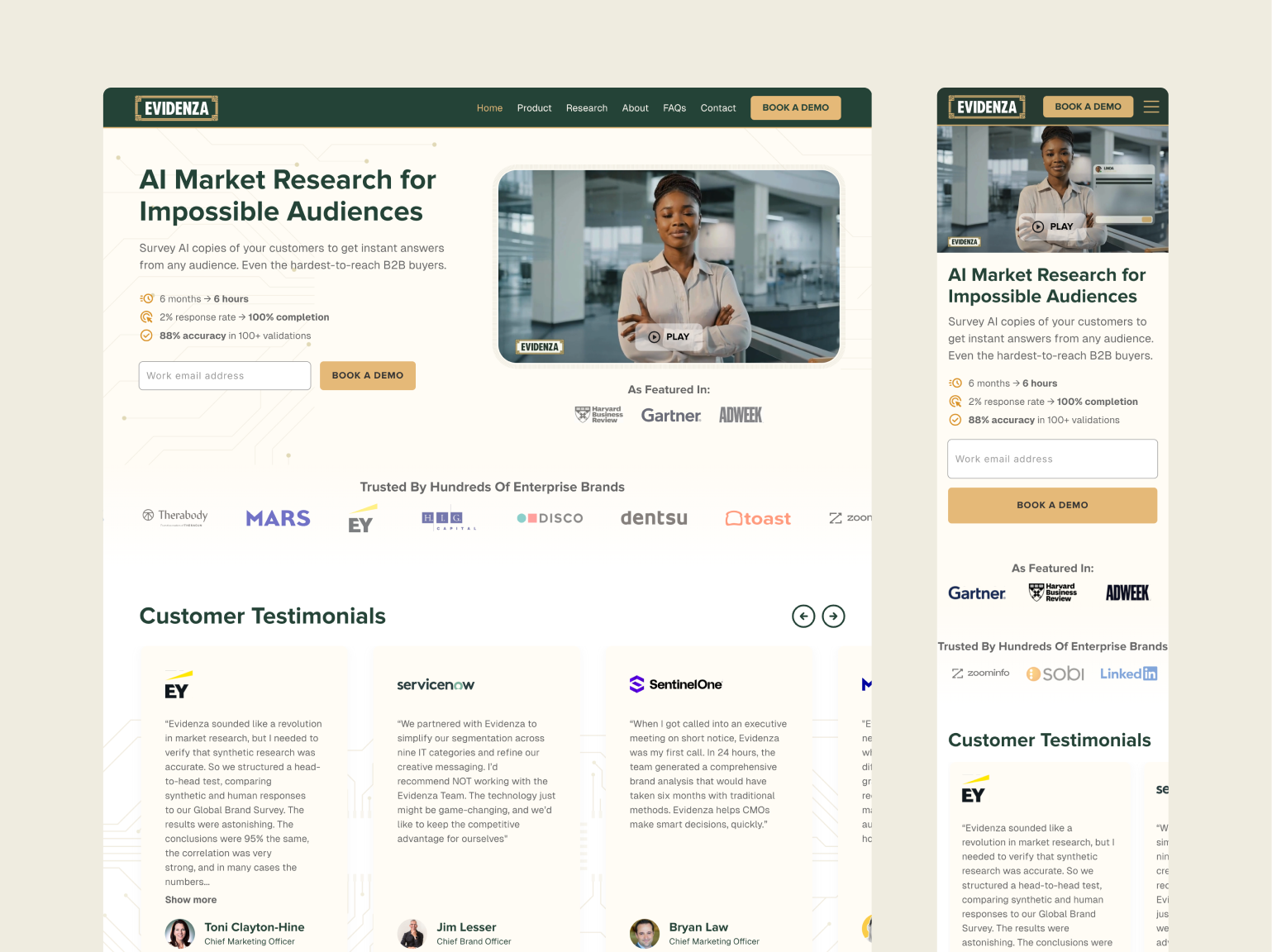
Building Trust and Driving Growth with Evidenza’s Website Redesign
We redesigned Evidenza’s website to build trust, showcase product visuals, and create dedicated landing pages for research articles. The project focused on CRO, UX clarity, SEO alignment, and positioning Evidenza as a credible market leader.
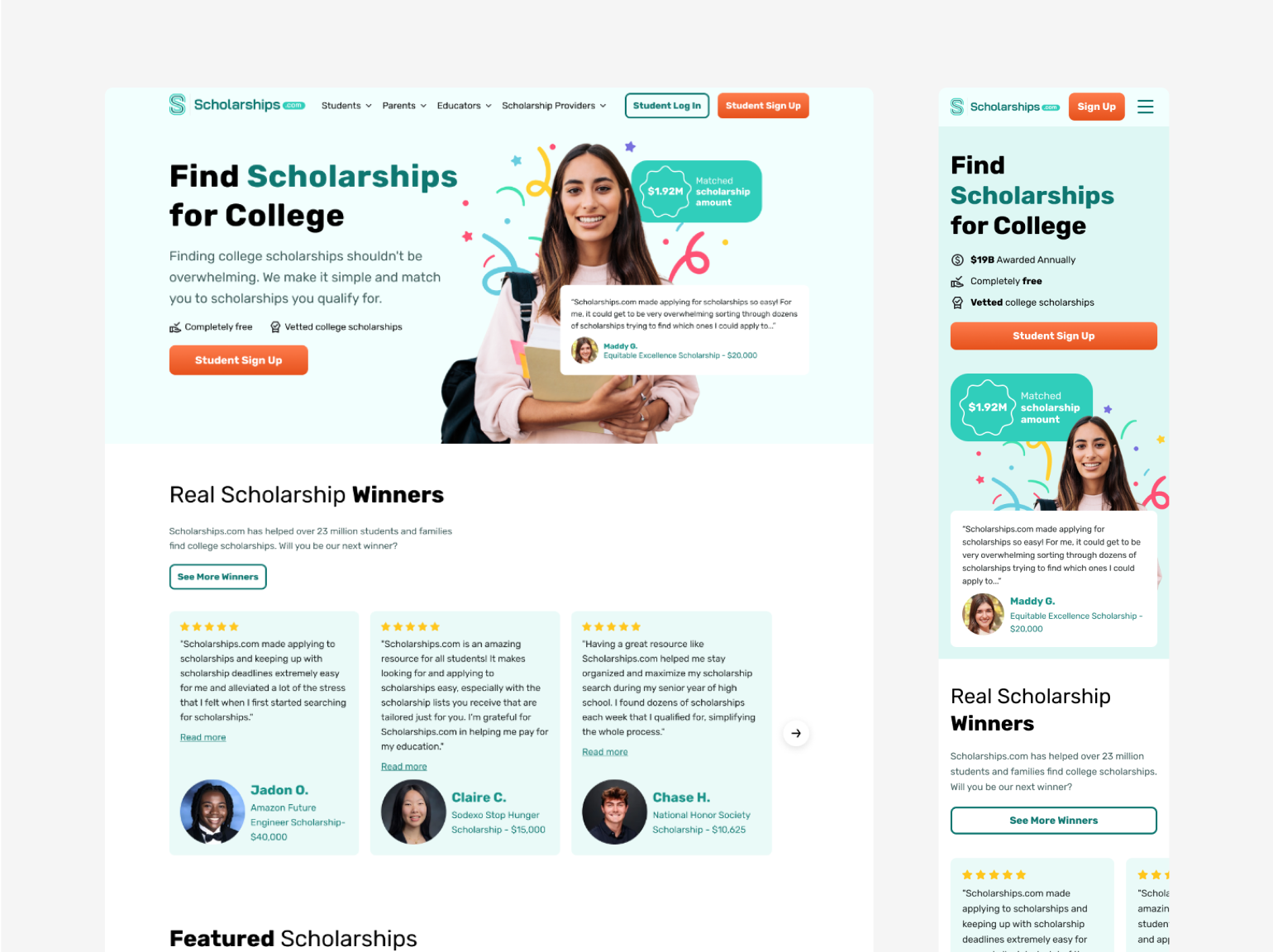
Optimizing Scholarships.com for Higher Conversions
A full CRO audit analyzing user behavior with Hotjar, competitor benchmarking, and redesigns of key conversion paths including the homepage, sign-up funnel, and scholarship listings.
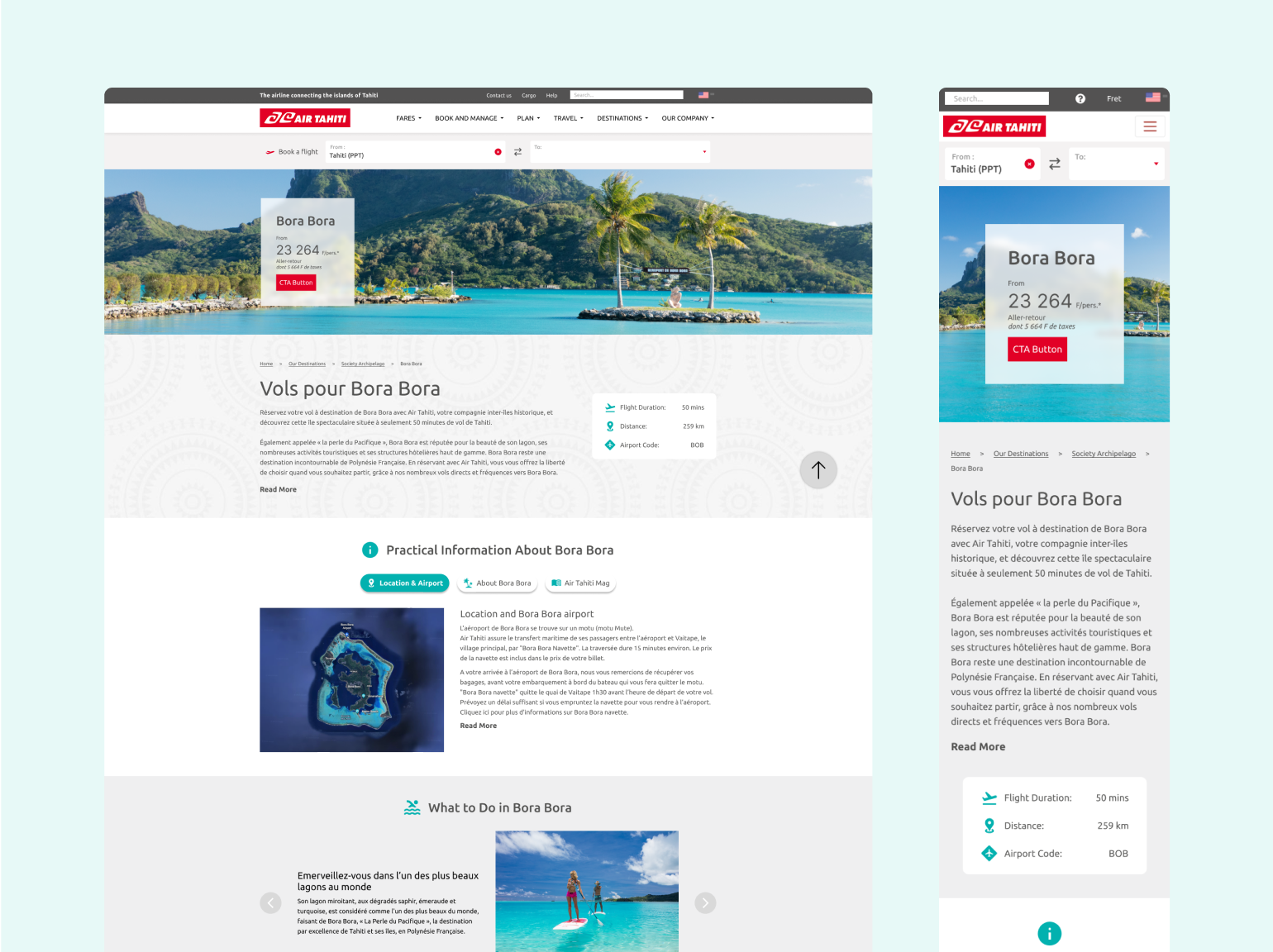
Enhancing Air Tahiti’s Website for Better User Experience and Bookings
A UX and UI redesign focused on improving engagement and bookings through dynamic flight deal carousels, interactive widgets, and optimized booking flows.
SEO Case Studies
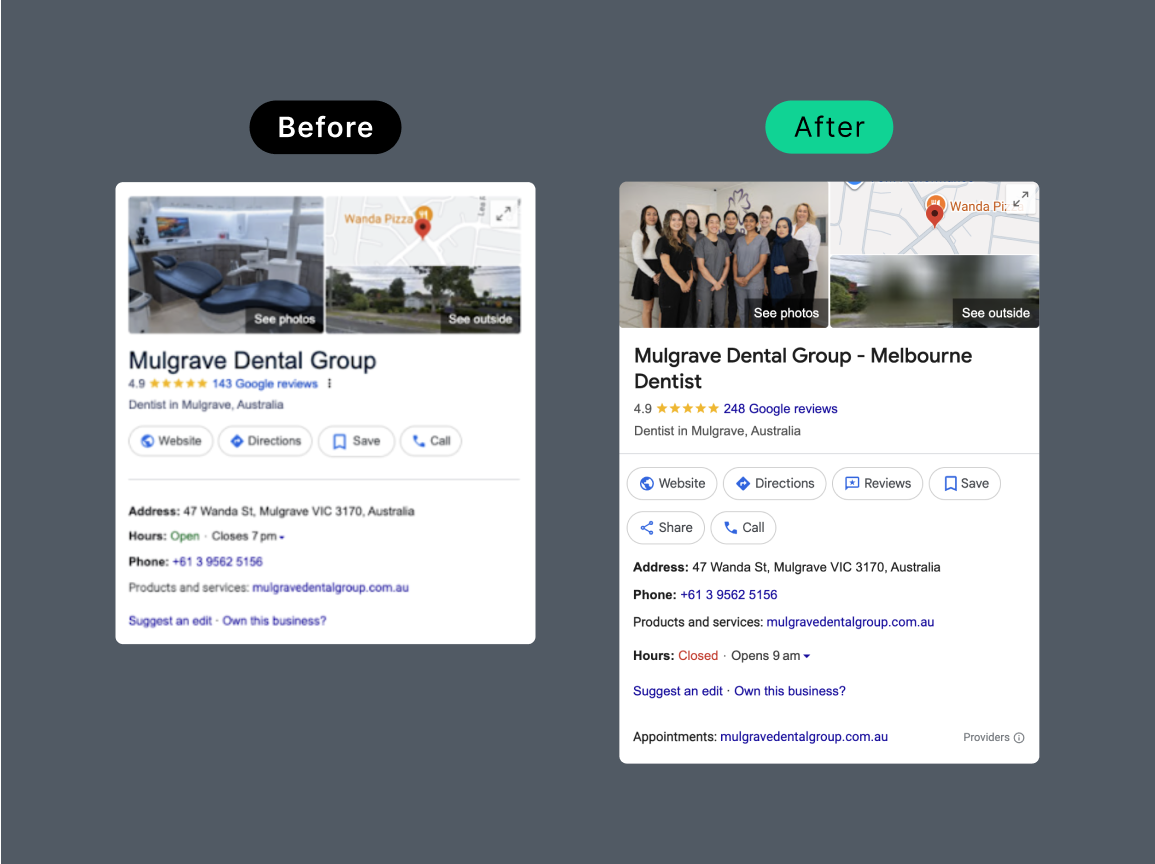

Elevating Local Visibility for Mulgrave Dental Group
A Local SEO and website optimization project that translated a strong offline reputation into online growth, resulting in a 29% increase in organic search sessions.
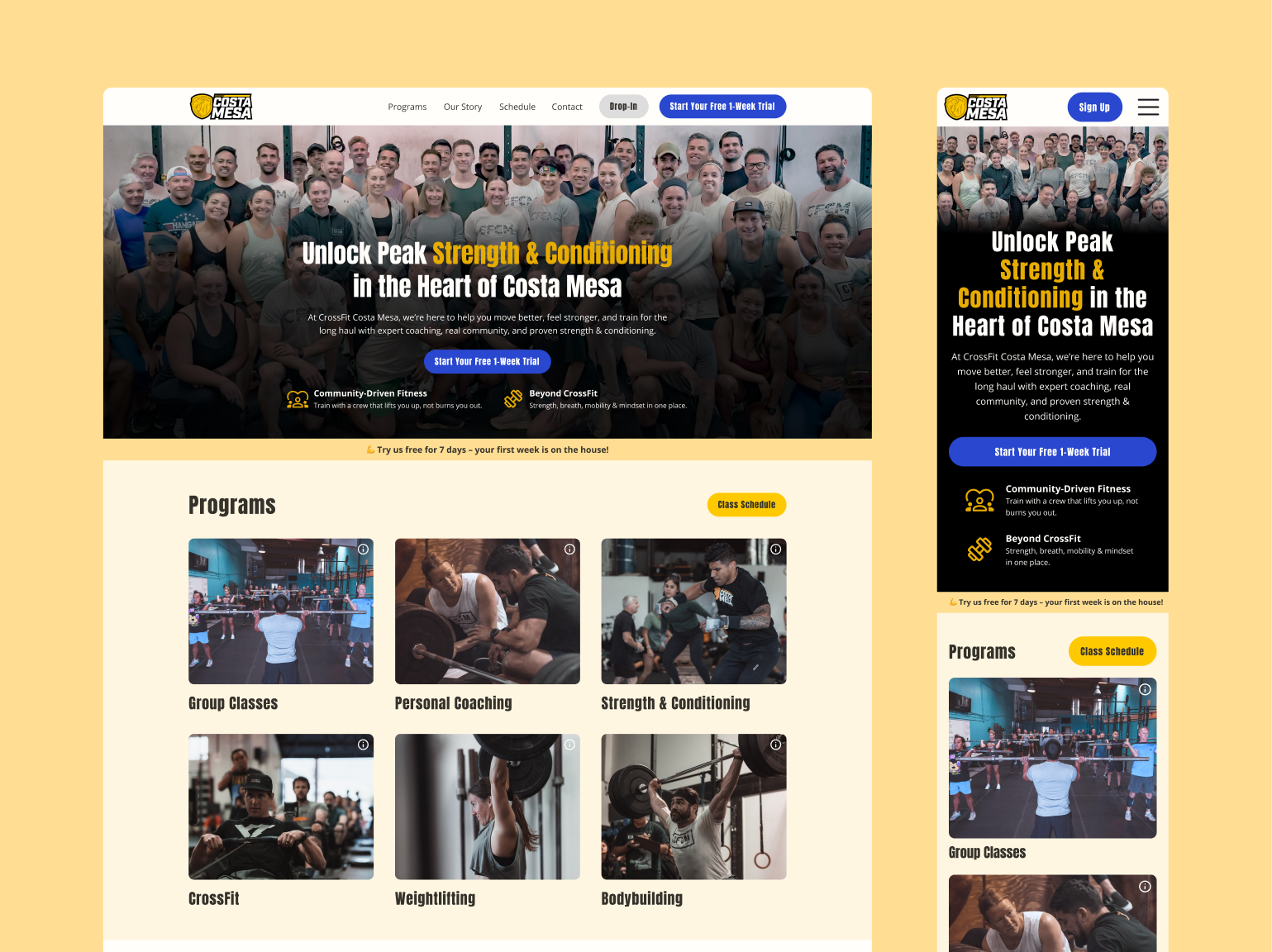
Repositioning CrossFit Costa Mesa as a Leader in Strength and Conditioning
A website redesign and SEO strategy focused on improving conversions, expanding organic visibility, and reinforcing community-driven positioning.
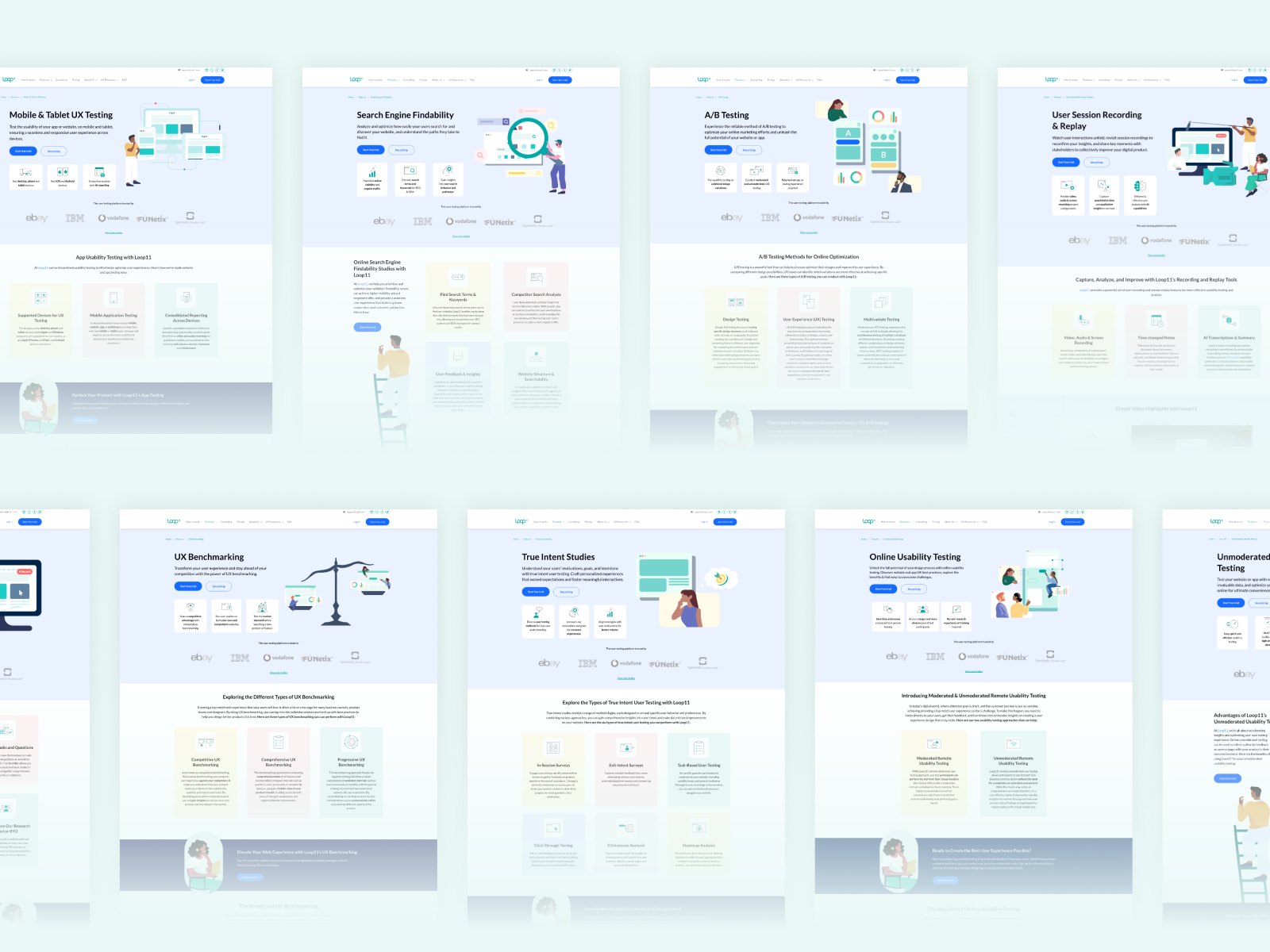
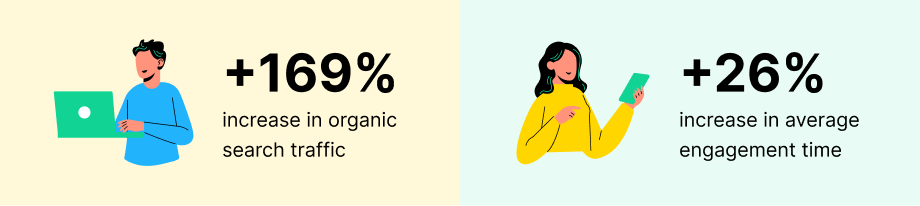
Designing SEO-Optimized Feature Pages for Loop11
Creation of dedicated, SEO-optimized landing pages to showcase individual platform features, resulting in a 169% increase in organic search traffic.
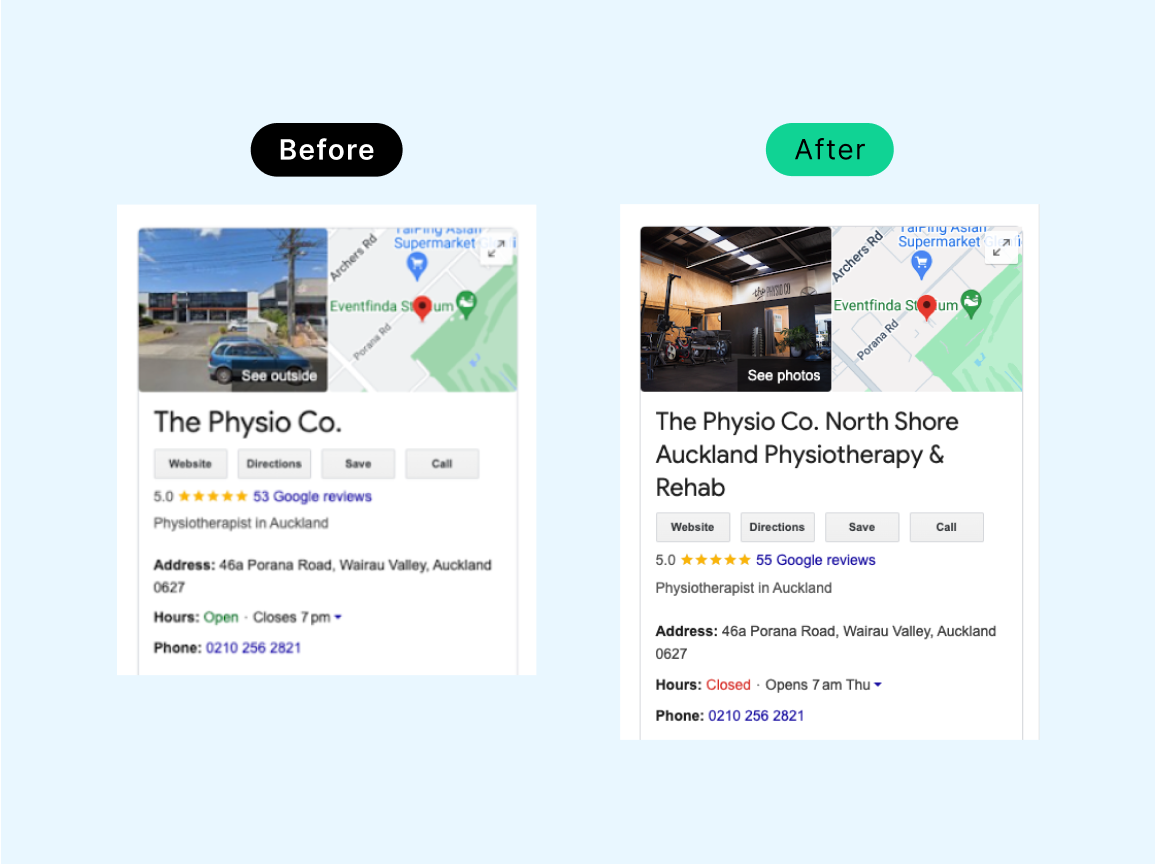

Increasing Online Search Visibility for a Local Physiotherapist
A tailored Local SEO strategy for The Physio Co., improving website performance and Google Business Profile visibility, driving a 22% increase in website sessions.
UX Case Studies
Improving User Onboarding and SEO Through Video Tutorials for Loop11
An SEO-optimized video tutorial hub designed to support onboarding, improve product adoption, and drive organic visibility through structured educational content.
A/B Testing Case Studies
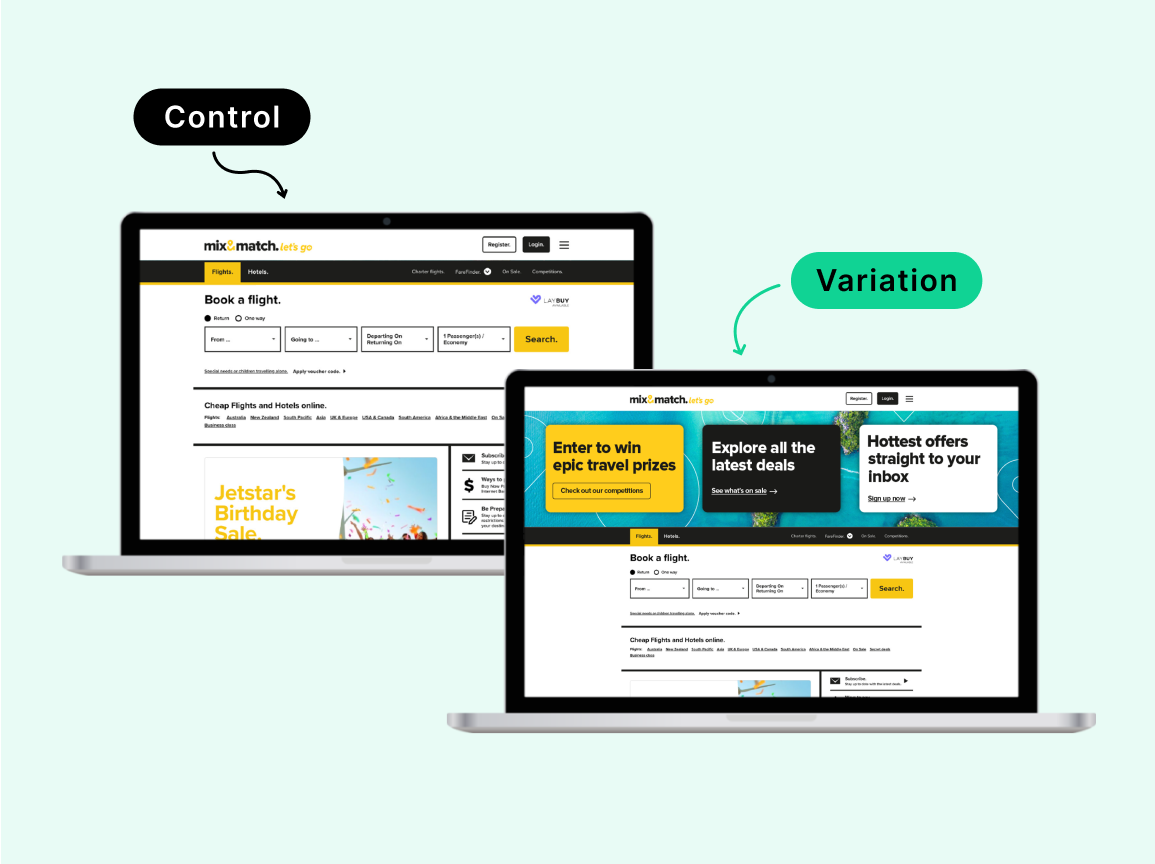
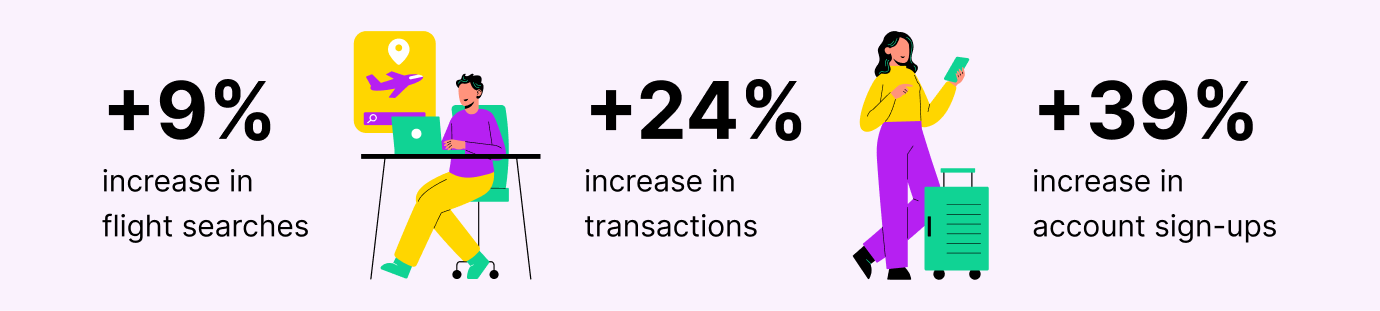
Increasing Flight Searches and Bookings for Mix & Match Travel Agency
Homepage banner A/B testing focused on showcasing compelling offers, leading to a 24% increase in transactions.
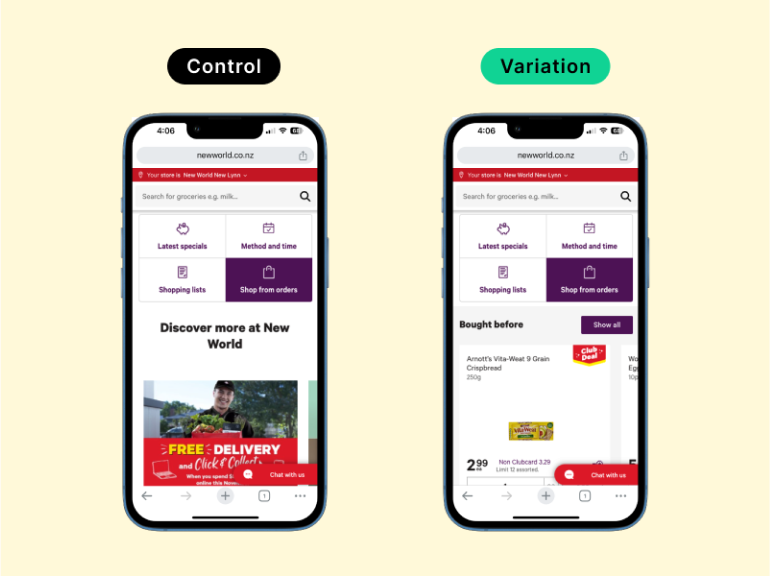
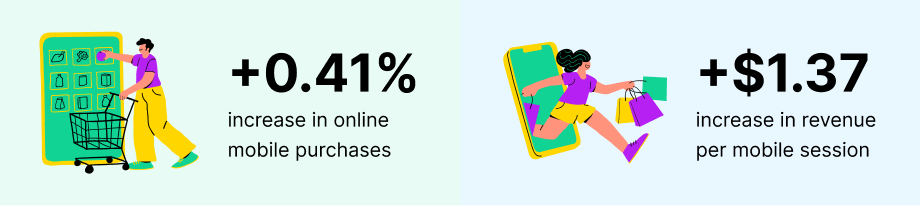
Increasing Mobile Online Purchases for New World Supermarket
Targeted mobile experimentation that uncovered improvements in the shopping journey, resulting in a 0.41% increase in mobile purchases.
Branding Case Studies
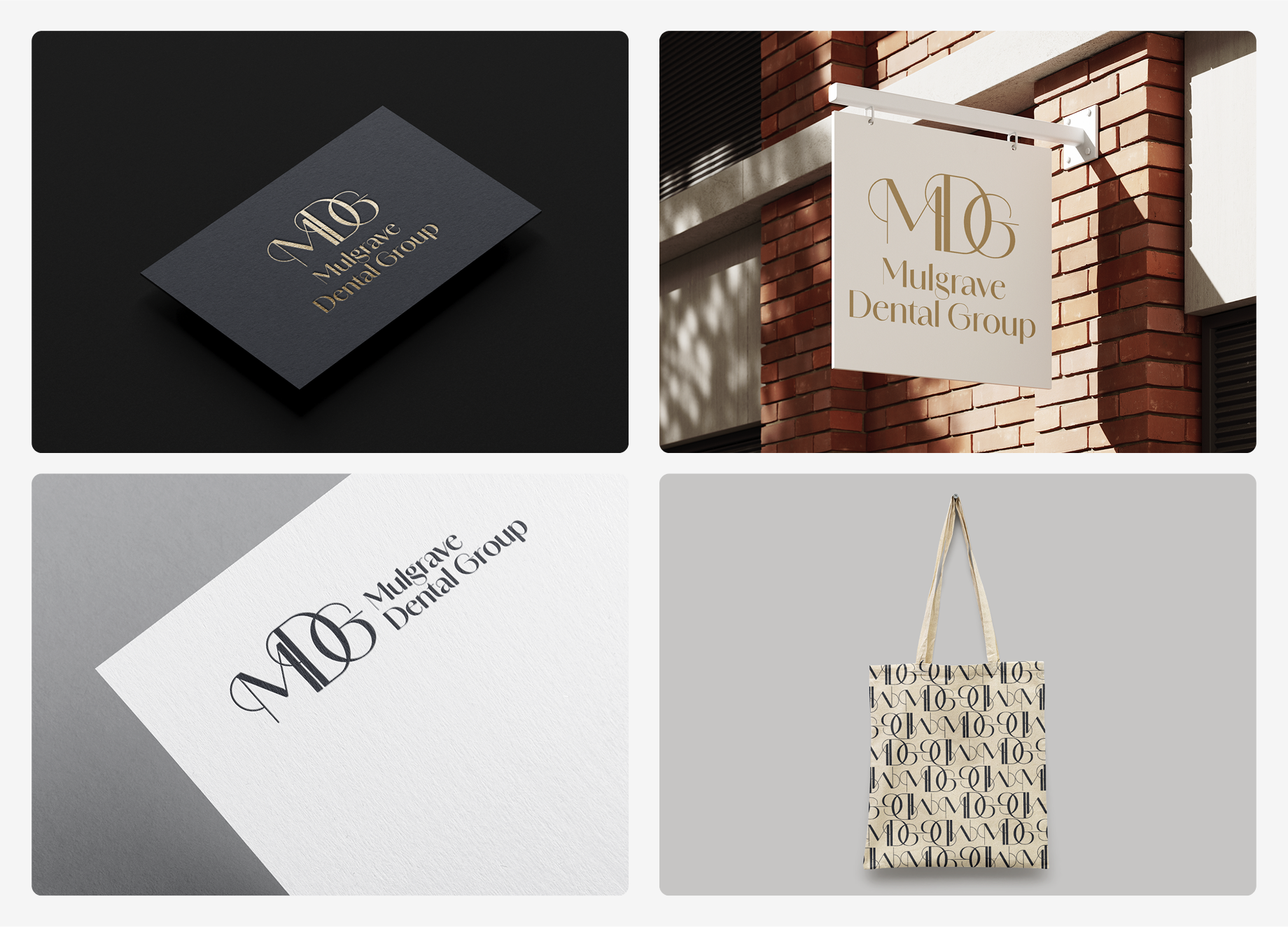
Rebranding and Redesigning Mulgrave Dental Group
A full rebrand and website redesign creating a premium, patient-focused digital experience.
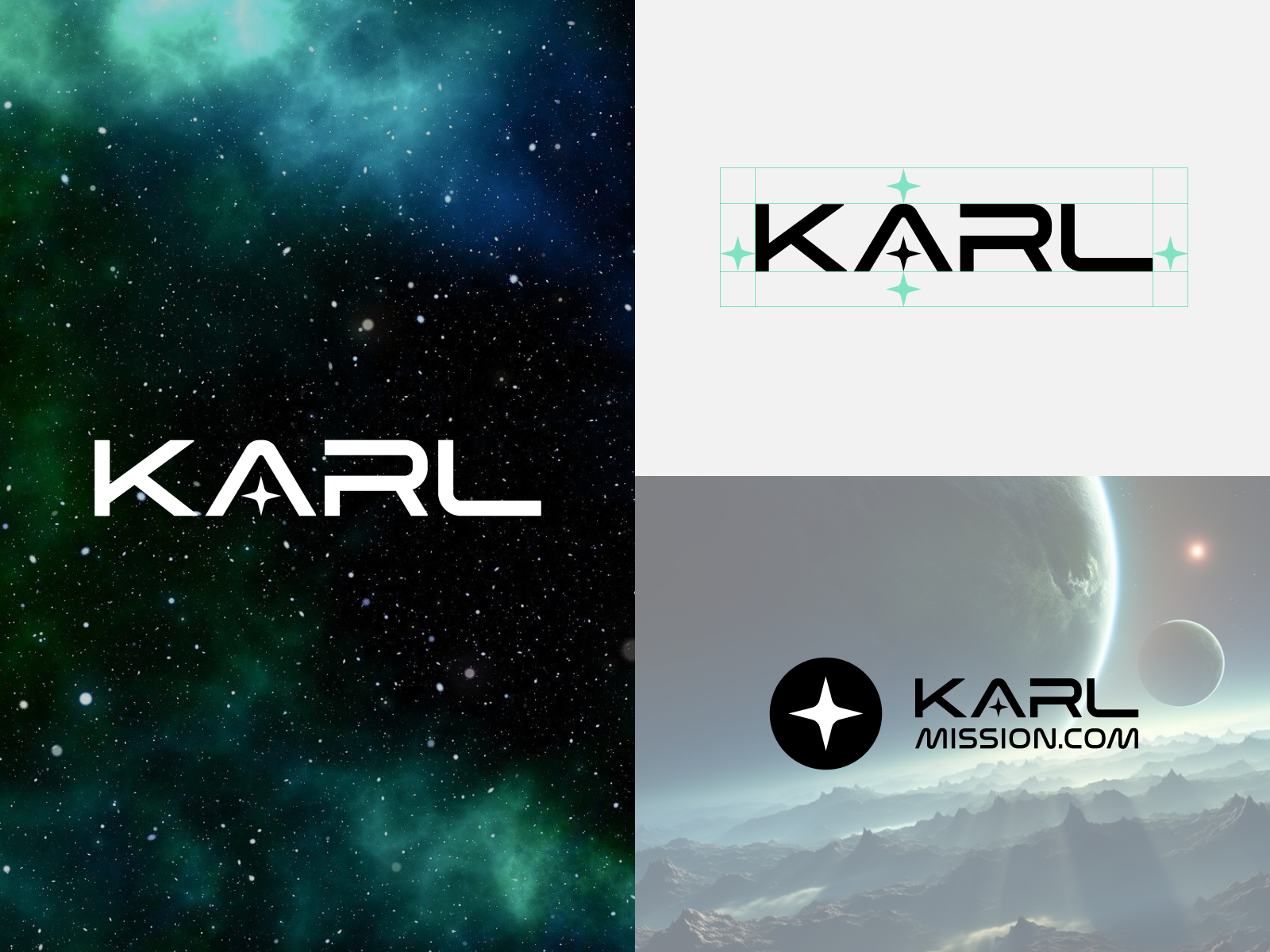
Crafting a CRO-Focused Brand Identity for KARL Mission
An inside look at how we built our own brand to reflect clarity, credibility, and a strong CRO mindset.

Launching a New Brand Identity for Bodylines by Amélie
Brand identity development and website design for a Pilates and massage business, including logo creation and brand guidelines.
Analytics Case Studies
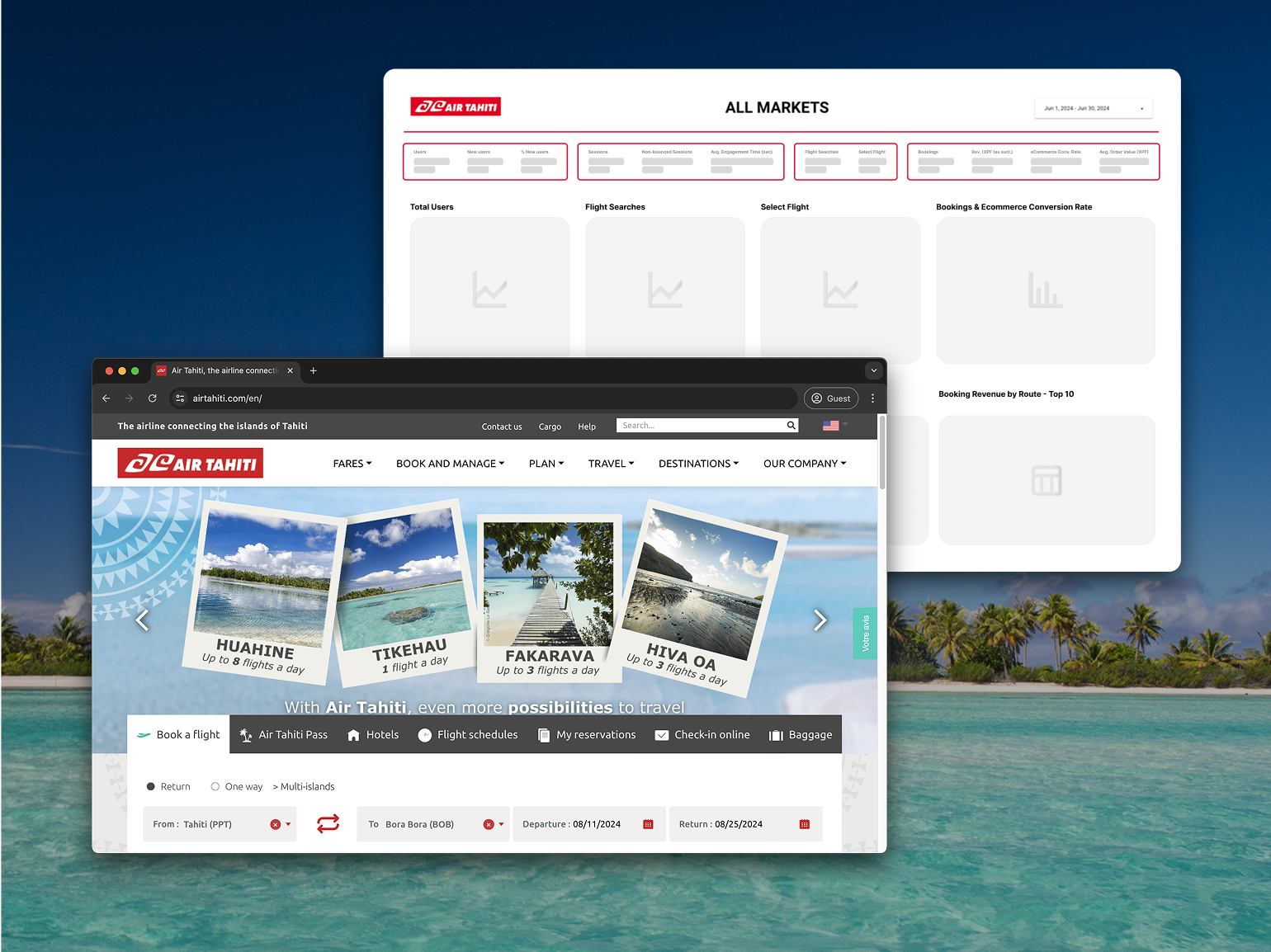
Seamless Migration from Universal Analytics to GA4 for Air Tahiti
A complex GA4 migration ensuring continuity of tracking, improved reporting, and custom dashboards across digital platforms.
Email Case Studies
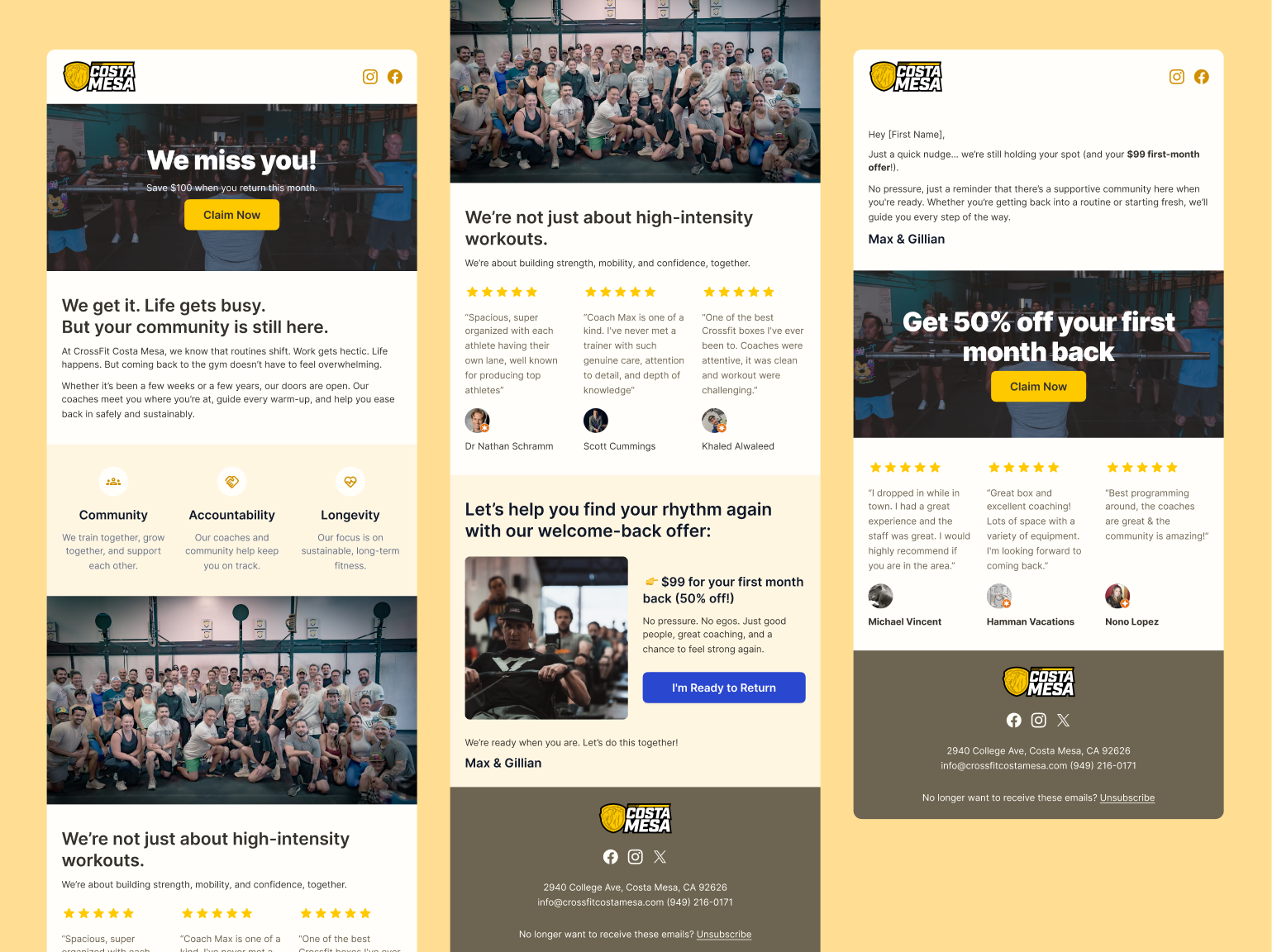
Re-Engaging Past Members Through a Community-Driven Email Campaign
A trust-led email campaign for CrossFit Costa Mesa designed to reconnect with past members and drive re-engagement.
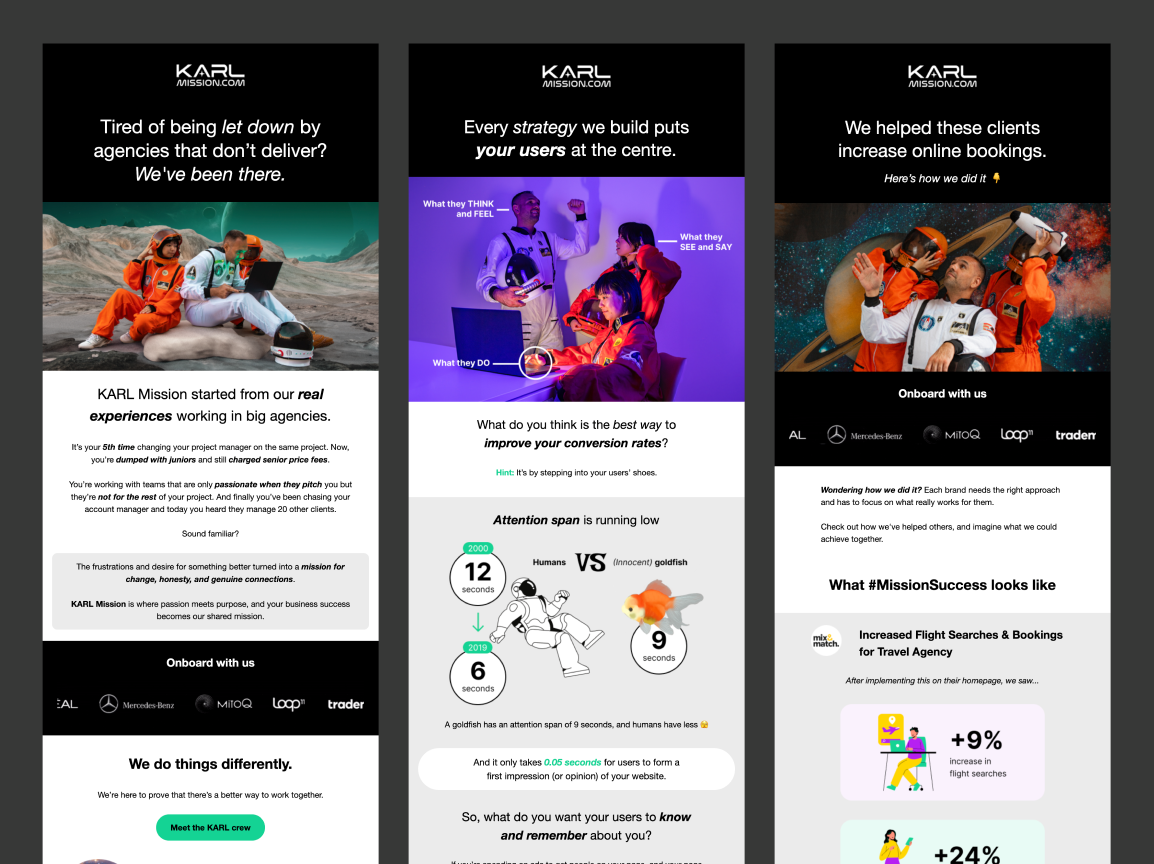
Building a Nurture Email Series for KARL Mission
A strategic nurture sequence designed to introduce subscribers to our approach, values, and expertise.


Improving Email Engagement for Loop11’s Free Trial Users
Email A/B testing and onboarding optimization that increased email open rates by 9% and improved trial-to-paid engagement.
Social Media Case Studies
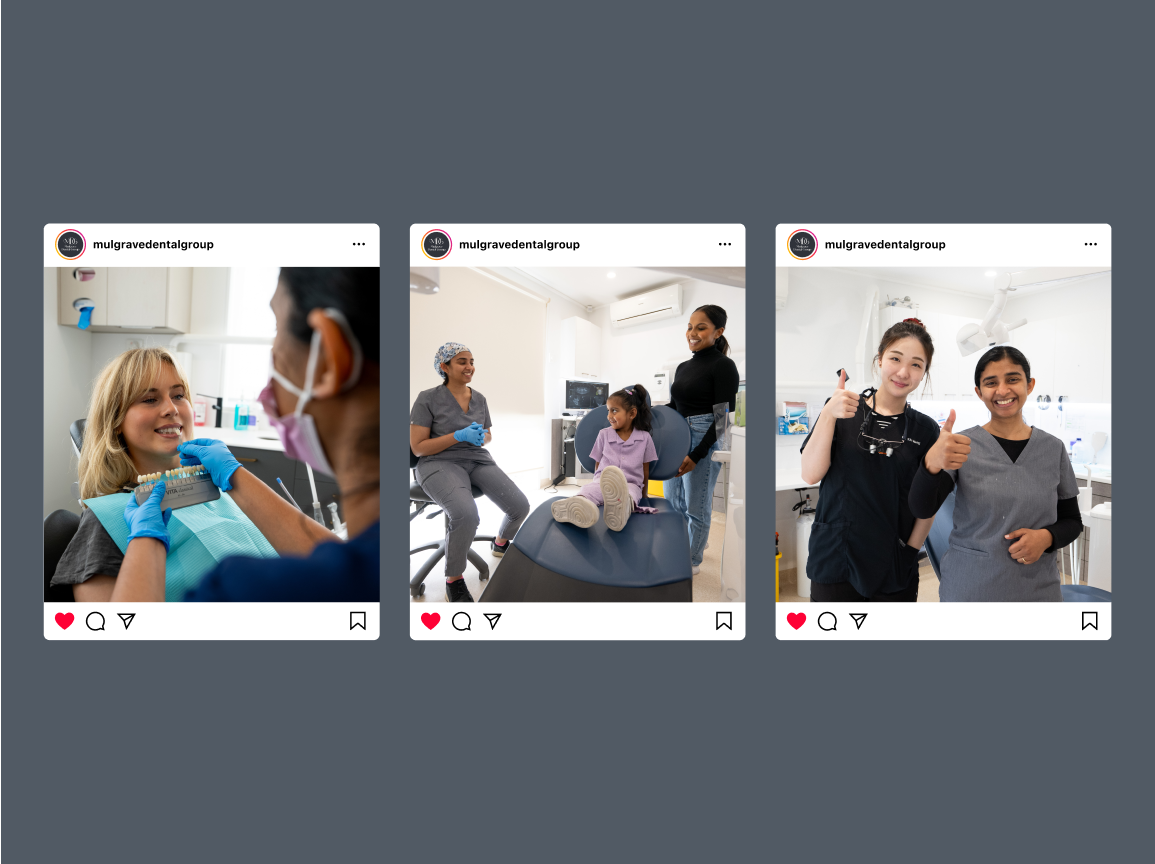
Social Media Rebrand and Content Strategy for Mulgrave Dental Group
A post-rebrand social media strategy focused on profile optimization, consistent content, and stronger audience engagement.
Turning Case Studies Into Conversion Assets
The difference between a case study that sits unnoticed and one that drives leads is intent.
When case studies are written with clarity, strategy, and outcomes in mind, they become:
- Trust builders
- SEO entry points
- Sales enablement tools
- Proof of expertise
If you want help turning your work into case studies that actually convert, or if you want to understand how CRO, UX, SEO, and experimentation can support your growth, we would love to help.
Book a free consultation with KARL Mission and let’s talk about what your data, users, and opportunities are really telling you.
Book a Free Website Consultation
Discover quick wins for your digital strategy. 100% guaranteed.